
walking home
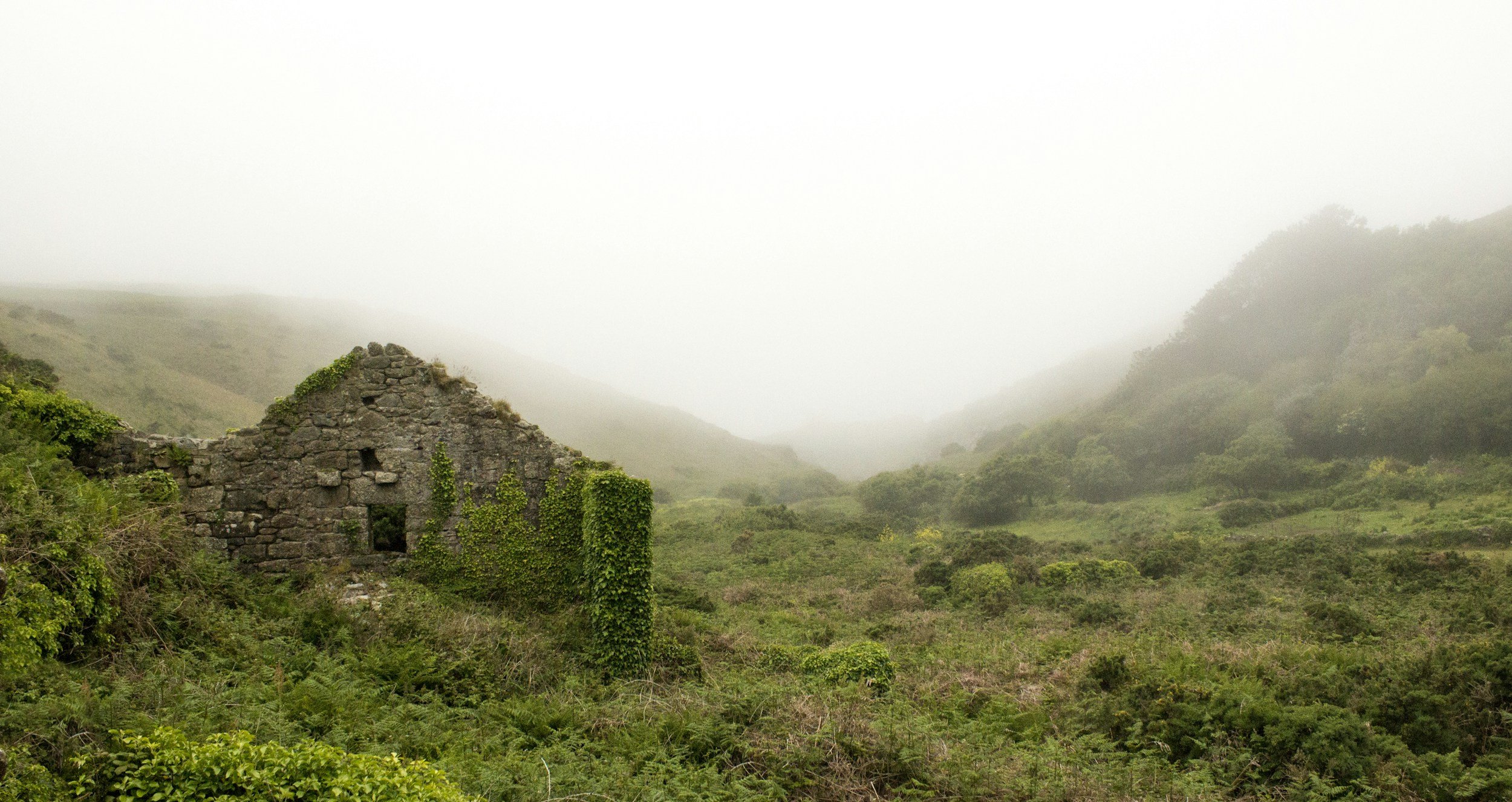
About nine years ago, in the unmoored months after someone dear to me died, I found myself quite literally needing to feel the ground beneath my feet. So, I began to hike.
In the beginning, I approached these hikes from a need to move through difficult energy. With headphones streaming music into my ears from the time I laced up my hiking boots to the moment I took them off, I experienced the trail as a place to be lost in my own thoughts. I saw the whole process as a nice venue for exercise, and at best, as a means to get something, such as some sensory delight, some proprioceptive stimulation, or relief from a stressful afternoon at my laptop.
I unconsciously related to the land as something to extract benefits from.
But as my reliance on my hiking ritual deepened, the experience began to transform.
A pivotal moment happened one day around 6:00pm, about a mile along the trail. I looked up from my phone, on which I had been changing my playlist, and saw merely 10 feet away from me out of the corner of my eye the shifting shoulder blades of a very large cat. I froze as I processed what had just happened: while I had been distracted by which song to play next, a mountain lion had crossed right in front of me.

This was an intense initiation into the need to be aware of one’s surroundings in the forest.
Since that day, my headphones stayed home.
Some of you reading this might bristle at the thought of walking in silence, and I have a lot of compassion for those for whom silence can feel threatening. So much can arise when we stop feeding distractions to ourselves.
What follows is neither prescriptive nor judgement of how anyone else takes a walk, but rather an offering of my own experience of the value of walking unencumbered by added stimulation.
Because for me, the shift from tuning out with music, to tuning in to myself and to the environment around me was a profound one.
My hikes became a spiritual ceremony, where I began to take my Internal Family Systems (IFS) practice out of the session with my practitioner and into my everyday life. As I walked I began to listen inside for the parts of me that were activated, and to ask them what they needed me to hear. On these hikes I got to know the ones who showed up within me, to witness their sad stories, to let them know I was there too.
And because, without music, I was now more attuned to what was happening outside me, I noticed how peculiar synchronicities occurred: how right after I heard a particularly sad or enraging story from my parts during these walks, I’d often find myself visited by some other creature: a snake slithering across my path, or a hawk flying so close to my head that the flapping of its wings stirred my hair, or a deer stopping in its tracks and gazing right into my eyes.
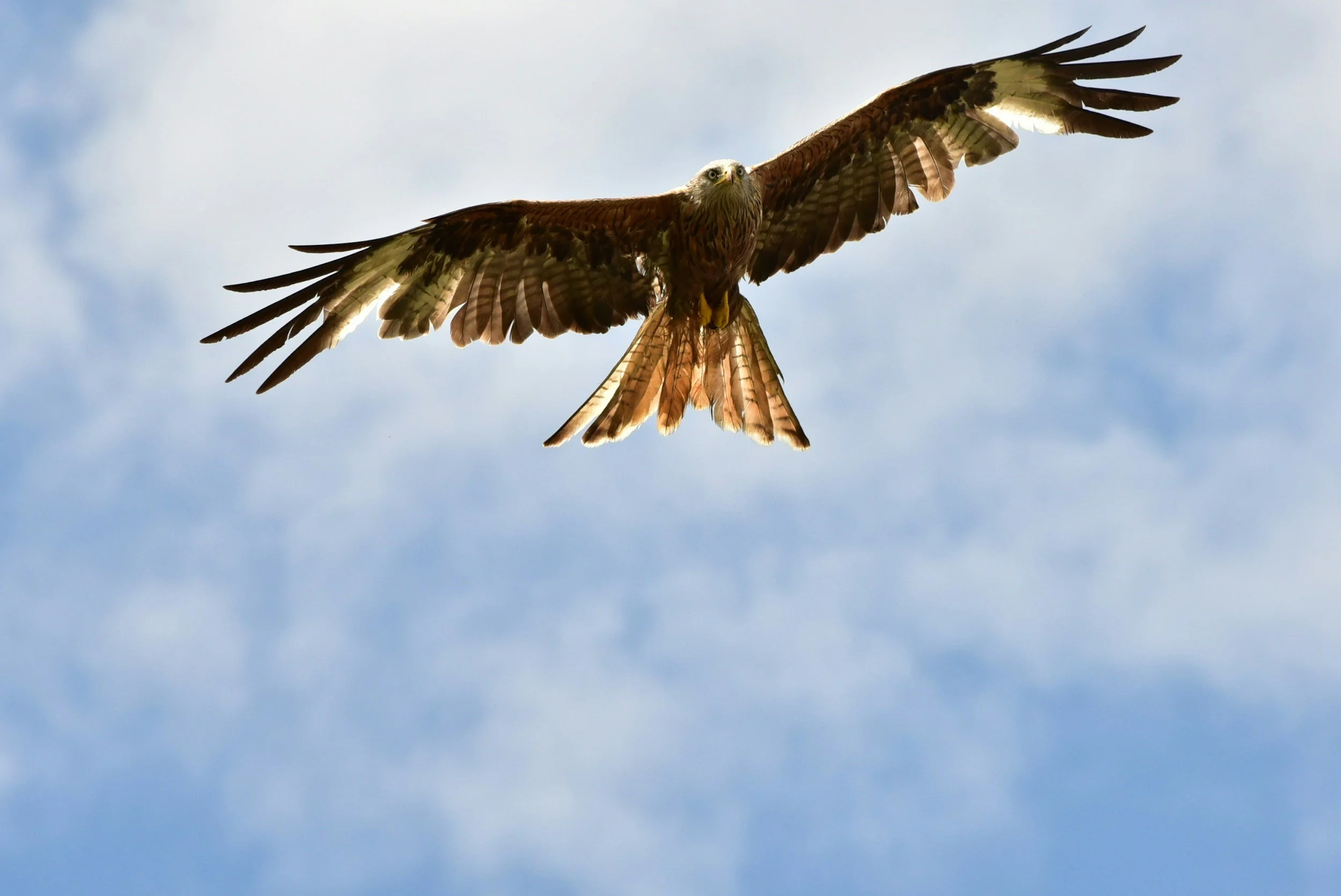
Hawk gliding
With these sightings came a dawning sense that these creatures were noticing me, and responding to me in some way.
I began to understand that the earth wasn’t something I was merely walking on but rather something alive that I was relating to, and which was also relating to me.
These hikes weren’t an isolated activity, I realized, but rather time that I was devoting to an emerging relationship.
And when I’m in a relationship with anyone, person or place, I tend to start to care about it more. I tend to start asking not only for what I need out of it, but what the other party might need, too.
So, I started to introduce myself, and to ask the land for permission to enter the preserve. Quietly, silently, as I entered the gates. The same way you would ask a friend if it’s okay to enter their house.
Because, in fact, this land had become a friend to me.
I learned about the concept of a “sitting spot” where you choose a place, or a place chooses you, and you make a point to sit there for fifteen minutes on a regular basis, through different seasons, and different types of weather, for no reason other than to get to know it.
There’s a tree towards the end of my hike that angles down a hill as it stretches toward the sunlight. A section of the trunk grows into the ground before rising again, creating a natural seat.
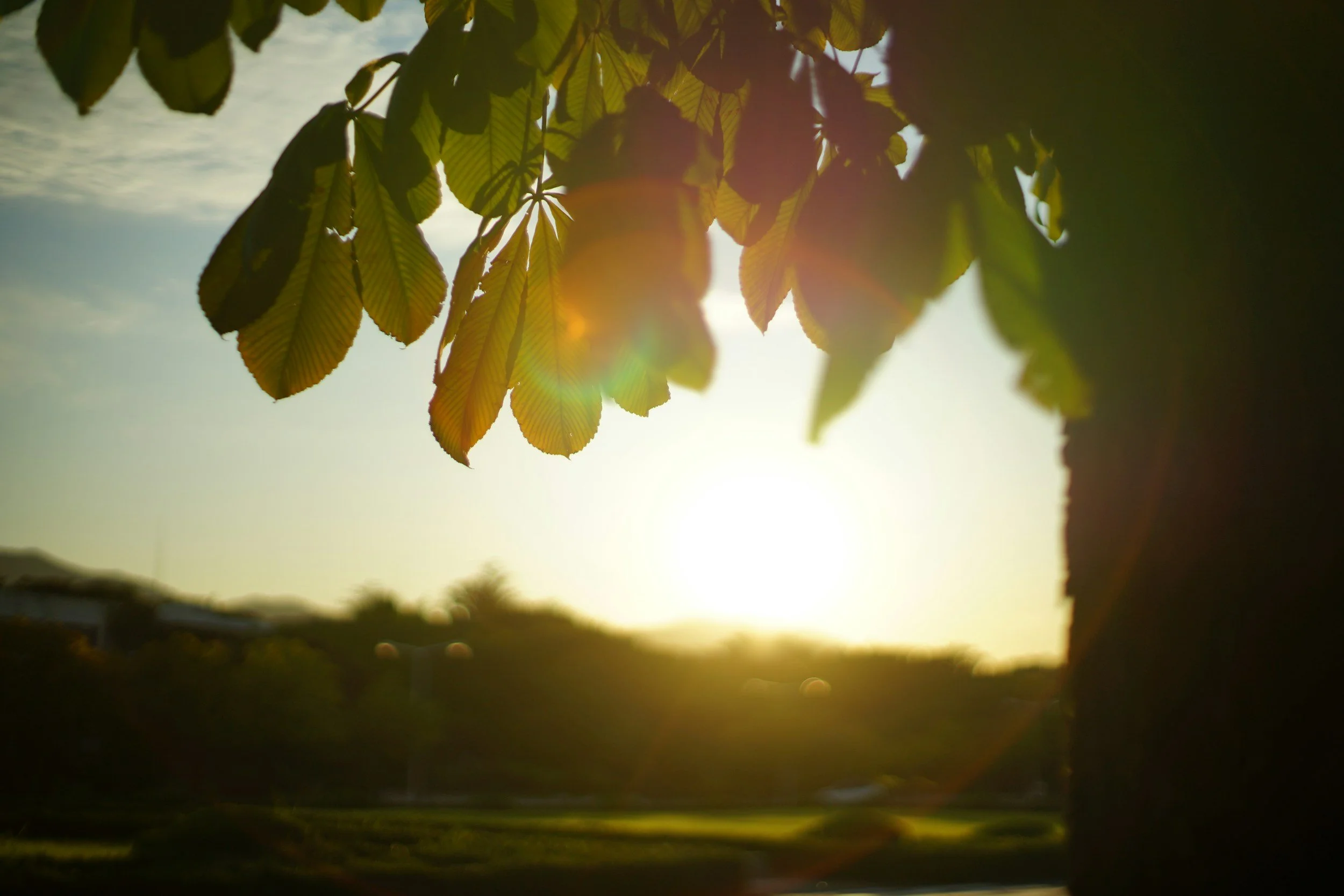
Feeling drawn to it, I adopted it as my sitting spot.
As I sat there for my 15 minutes each week, I wondered what the land might need from me.
Gradually, I learned to ask if it would like a song, or an offering of some oats. As my dear teacher Aoife Lowden explained to me once, to offer something to the land is good manners, the same as showing up at a dinner party with a bottle of wine.
I learned to listen for an answer and to trust what I heard.
For these 15 minutes, I began to place one hand on the tree and one hand on my heart.
I asked for help with whatever I was struggling with, and I apologized for how we’ve treated the earth.
Always, I felt held. Often, I received information.
As an autistic person needing significant downtime and access to wild places, this time at my tree became a vital part of my self-care.
On a bodily level the time at the tree became a kind of reset; I felt the overstimulation of the week drain out of me as I connected again to all that is within me, and outside me.
The relationship building with the land became for me a kind of sacred reciprocity, a way to bring into my daily actions my autistic need for justice, and thirst for beauty. I offered my care and attention to the earth, and in return, the earth nourished and energized me, leaving me thinking different thoughts, seeing and hearing with clarity.
It linked me to my ancient ancestors, the animists, who related to the whole world as alive. The ancestors who inhabited Ireland before the forces of colonialism and religion cut people off from their connection to nature, and to their own inner knowing.
To meet the land in ritual became for me a remembering, a coming home, and a capacity building exercise.
It was, in a word, love.
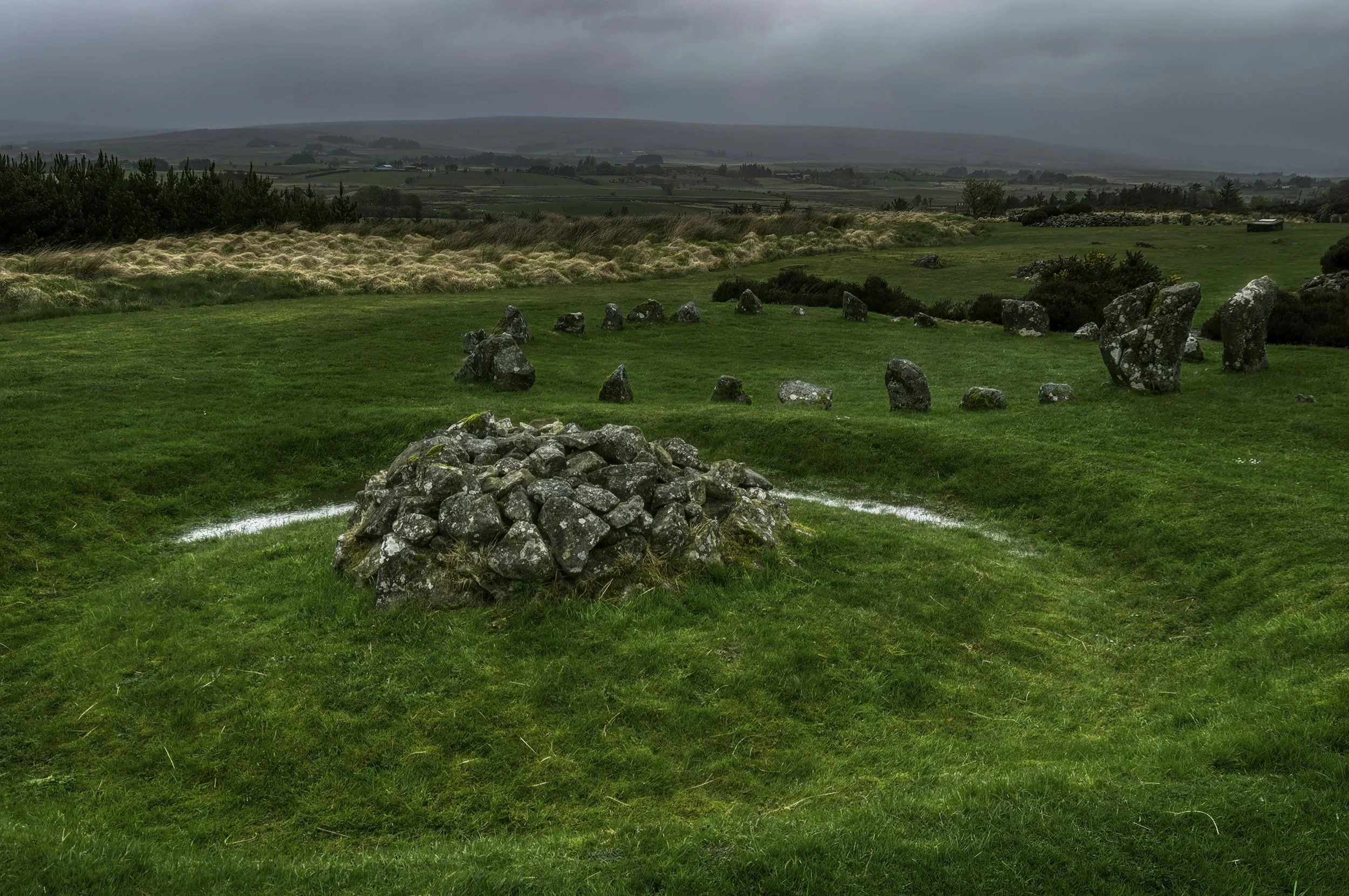
We are not so different from the earth. In fact, we are of it. We are endlessly recycled, our dead bodies decaying into the land that becomes the soil that feeds the food that we eat. To set aside intentional time to not just remember but to embody that reality is an affirmation of who we truly are: a multitude of parts within us, but also connected to the parts outside us.
There’s much more I could say about my experiences of years of sitting at the same tree week after week, but there’s a part of me that doesn’t want to share too much, or even post a photo of the tree, because that’s how sacred this relationship feels. Disclosing too many details seems tantamount to betraying a loved one.
But what I will share is that the value I’ve received from building a relationship with a place, to feel welcomed and held by it eclipses anything I could convey in words anyhow. Because it’s an experience, to have a place to bring my worries and my fears, to not feel separate anymore, and in turn to feel the privilige of stewarding the place itself.
What feels important to offer is an invitation: to try this. If you’re feeling unmoored, if the world feels too fast, too loud, or too crowded. If nothing’s making much sense anymore. If the future feels scary and you can’t bear to read one more article about one more cruel and violent thing, find a tree to rest against, or a stream to perch by, or even a large boulder to sit on. Ask if you can join it for a while. Feel into the answer. If you’re welcomed there, bring a gift. Ask inside yourself what you could offer, and ask the land what it would like to receive. Could it be a story, or a song? Or perhaps it is some gift that only you can give, that this place has been waiting for, with its own version of baited breath, overjoyed that you have finally come home.