
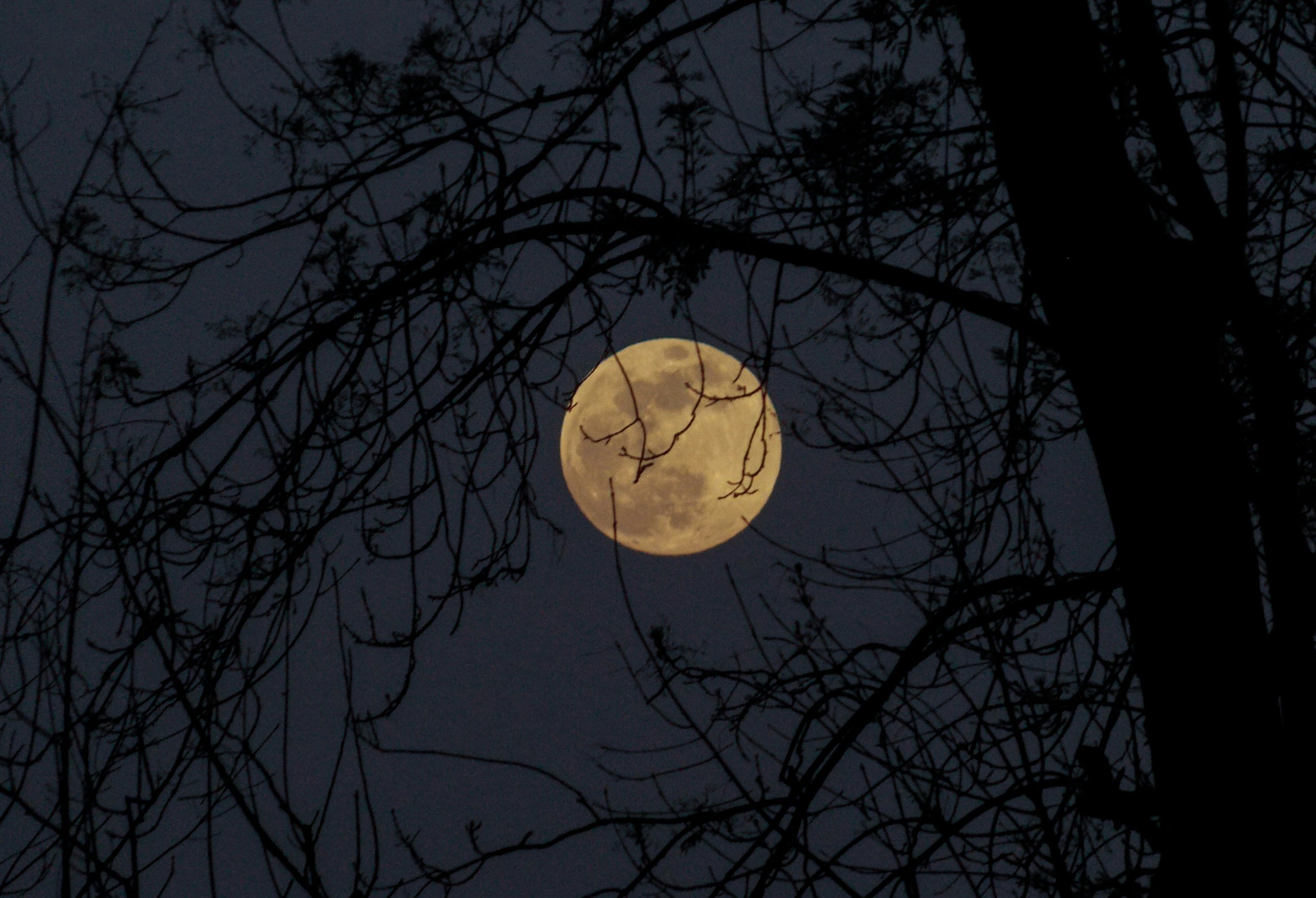
A couple weeks back, as the full moon cast a beam of light along my living room floor, I remembered a conversation I had with a woman on a Friday evening nearly 20 years ago. Standing in a dingy church basement after an Al-Anon meeting, we hoped to find some solace as we struggled to cope with our family members’ alcoholism. We commiserated over our shared habit of checking our bank balances when we felt unsafe; money served as security for both of us in ways that people never had.
She, this woman whose name I don’t remember, asked me if I liked poetry. I shrugged; perhaps I said sure. Out at her car she handed me a CD called “The Poetry of Self-Compassion” by David Whyte. I proceeded to play it on repeat in my car for years, until either the CD broke, or cars stopped being made with CD players in them; I can’t remember which.
Each time I listened I wondered why she was willing to give away this CD, which felt to me as valuable as diamonds. On it, through his own poems and the poems of other people, David Whyte talks about loving all of oneself. With a commanding delivery, he repeats lines, emphasizes words, and adds humorous commentary, transporting you into a felt sense of what’s being said. I didn’t just hear the words; I experienced them. Listening was hypnotic, pulling me into an altered state of consciousness before I knew what that meant. It opened possibilities of a kinder way of relating to all parts of me, giving me a frame of reference for a state of being I had not yet inhabited.
Ever since that woman handed me that CD, I’ve felt that chance conversation to be evidence of some divine benevolent orchestration happening in the background of things. I needed to be able to imagine life becoming less painful; this CD allowed me to do that.
Halfway through the talk, David Whyte’s reflects on how readily we embrace the parts of ourselves that shine like the full moon, and how quick we are to reject those that don’t. How easily we welcome the parts that win, that persevere, and succeed, yet how automatically we tend to push away those that struggle.
He asks, can you love yourself, even during the three days of the month when there is no moon? Can you have faith in even the parts of you that are exiled in the dark? Twenty years ago, this was a radical idea: I’d never heard anybody talk like that before.
Sure, it was easy to love the parts of me that got good grades, were dedicated to my yoga practice, and got told as an employee that I “put up with so much”. But I was watching from the sidelines as my peers climbed respectable career ladders and married their partners, while I was spending several days a week in 12-step meetings weeping about the wreckage of an adolescence often spent in the freeze state.
Life felt like a game of musical chairs where the music had stopped and everyone around me had found a place to sit, while I was left humiliated and scrambling to figure out how to get off my feet.
Back then, I felt no love for those parts of me; only shame and terror that I’d fallen behind. “Love these parts?” I might have said. “How?”
Reminded of David Whyte’s words by the moonbeam streaming into my apartment last month, I felt an intuitive hit to hear him speak them again. I purchased the audio download of the CD for $9 on his website and listened to the talk for the first time in ages.
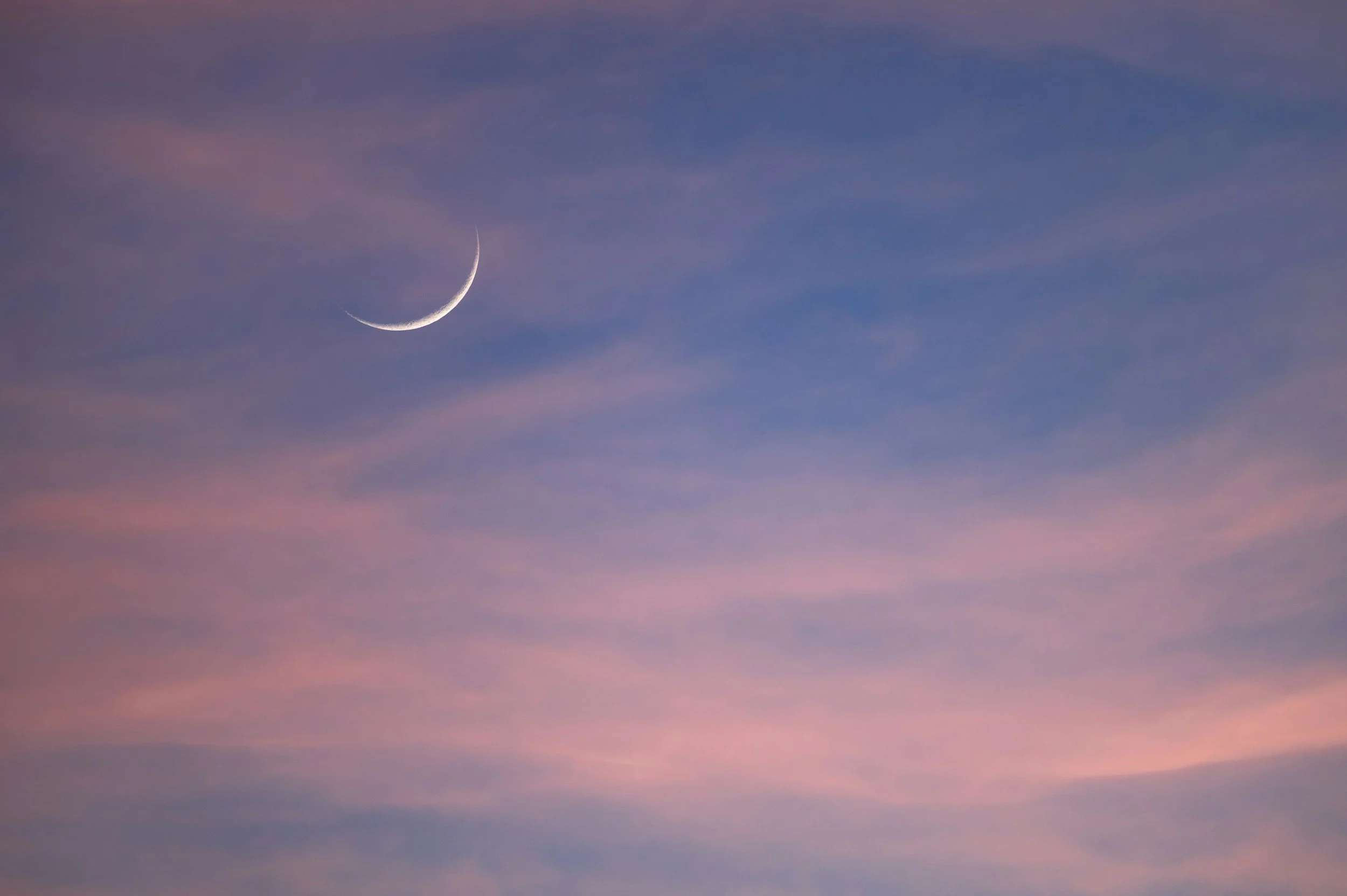
What struck me as I revisited his words is that the self-love he describes, which felt aspirational in my 20’s, otherworldly even, is now just how I feel most days.
The healing journey that dominated my twenties and thirties has resulted in me feeling generally loving toward all parts of myself. The effort I made to rescue my parts that had been exiled in the dark seems to have worked. The love he describes for all aspects of our experience, even those metaphorically represented by the three days when the moon disappears, is something I lived my way into, through the help of compassionate practitioners, and a steady and dedicated practice of working with my inner system.
This re-listening gave me enormous hope for what is possible when we turn toward our parts and be with all of them. Not just the ones who shine like the full moon, but the ones who get told (perhaps by other parts of ourselves, or by other people’s parts) that they’re not allowed to be here. The scared ones. The ones who feel shame about not being able to keep up or fit in. The ones who feel angry about how unfair it was, or is, and the ones grieving what happened, or what we missed out on.
Because when we spend enough time with these once discarded parts, and when we call in our guides to help us, our parts begin to feel loved. And when love is present, or as we would say in IFS, once a critical mass of Self energy has been reached, it really doesn’t matter what’s going on in the sky: full moon, no moon, crescent moon: whatever is happening, it’s okay. Self can be with all of it. Love can be with all of it. We come to understand that we can be with all of it.